Five materials that age well
A finish should look better in year ten than in year one, or at the very least worse in an interesting way.
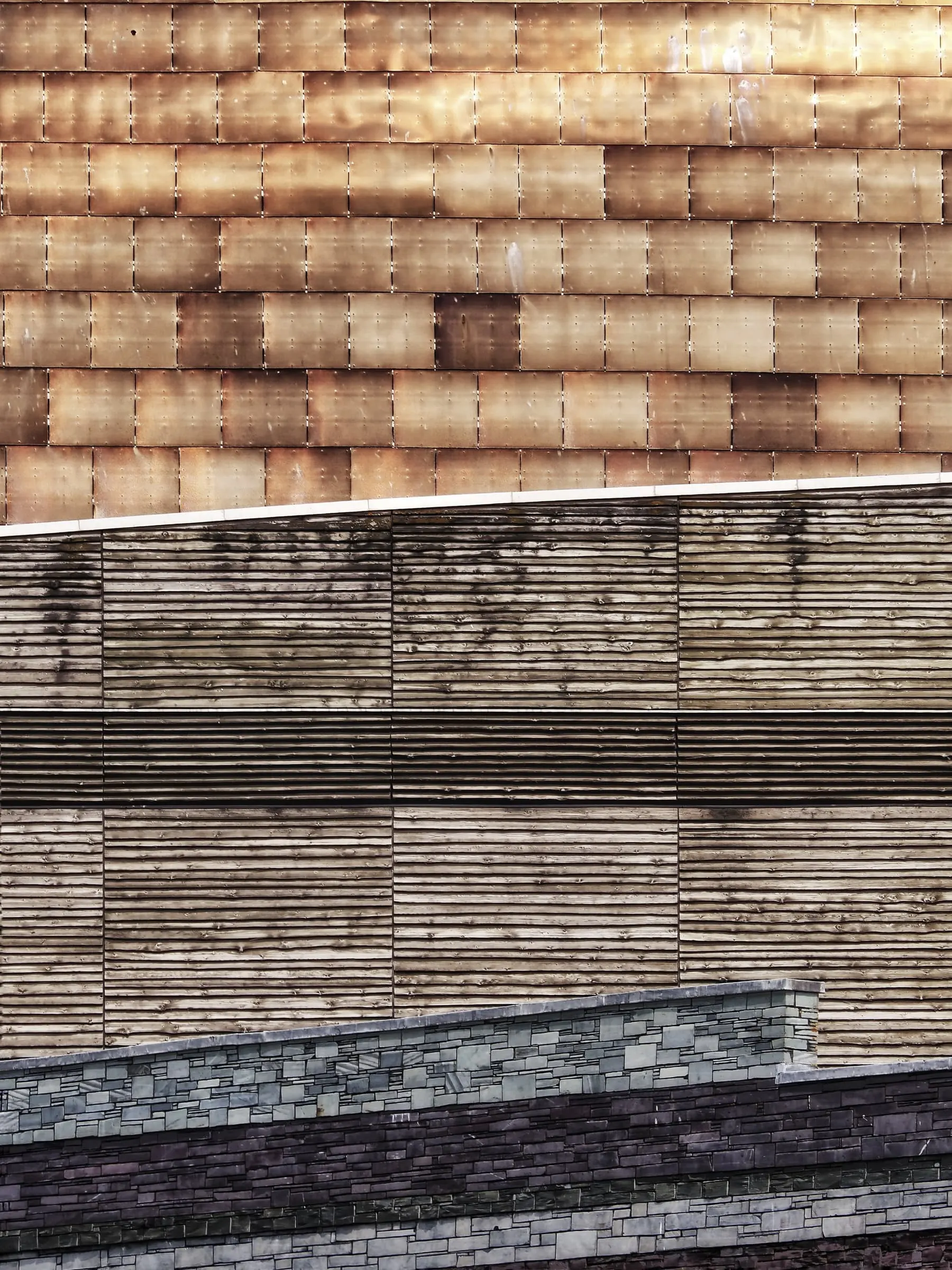
We spend a lot of time looking at old doorsteps. A surface that has been touched by thousands of hands and shoes over a hundred years tells you more about a material than any technical sheet. These are five that we return to, and what we have learned about specifying them.
- 01
Lime plaster
It breathes, it repairs invisibly with a damp cloth and a little more lime, and it takes light differently through the day. It does not like being rushed, so the programme has to allow for it.
- 02
Solid oak
Oiled rather than lacquered. A lacquered floor looks perfect until the first deep scratch, after which it is simply damaged. An oiled floor gets a new coat and carries on.
- 03
Brick
Choose the colour in the rain, not in the showroom. Good brickwork needs almost no maintenance for a century, and the joint matters as much as the brick.
- 04
Stainless steel
Honest in kitchens. A brushed finish will scratch within a week, and within a year it will have a soft, even patina that nobody thinks about. Mirror polish is a different and more demanding matter.
- 05
Natural stone
Honed, not polished, and unsealed wherever possible. Stone that has taken a stain looks used. Stone behind a failing sealant looks neglected.
A good material is one you can repair without calling us.
What they share is a kind of honesty: the surface you see goes all the way through, so wear reveals more of the same material rather than something underneath. That is not always the cheapest choice on day one, but it usually is by year fifteen.