Designing small hospitality spaces
A guest spends only a night or two in a room, and judges it within thirty seconds. That is a very particular brief.
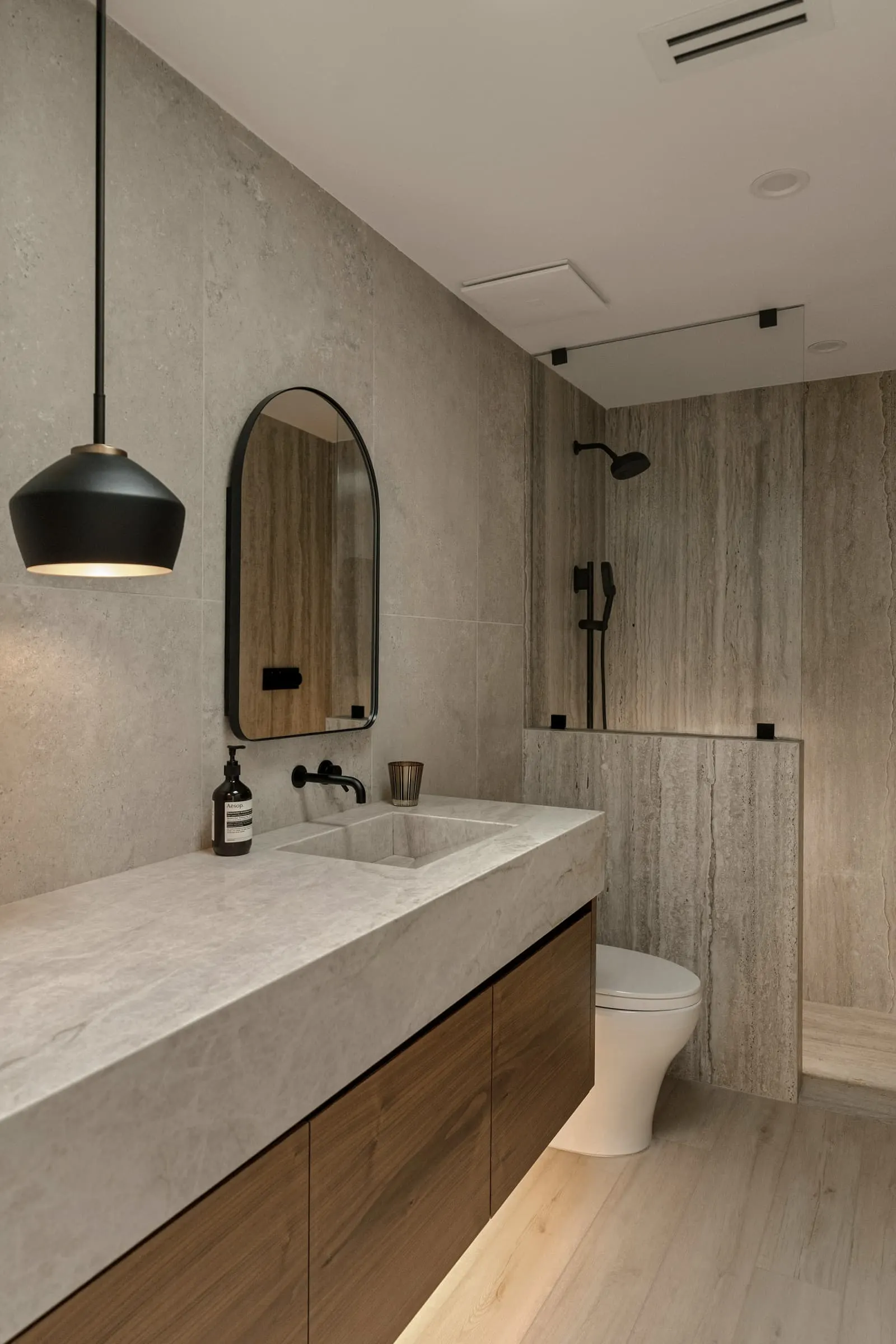
Domestic work and hospitality work look alike in photographs and are nothing alike in practice. A house can ask its occupants to learn its habits. A hotel room has to explain itself at once to somebody tired and carrying a suitcase.
So we begin with an embarrassingly practical exercise: walking through a room with our eyes half closed, then listing every question a guest would have. Where does the bag go? Which switch turns everything off? Where can I charge a phone without getting out of bed? A surprising amount of good interior design consists of answering these well.
Small rooms need one big decision
In a twenty-square-metre room, you can afford a single gesture. In Maison 17, it was to borrow width from the corridor and give every room an unbroken view from door to window. After that, everything else had to be quiet.
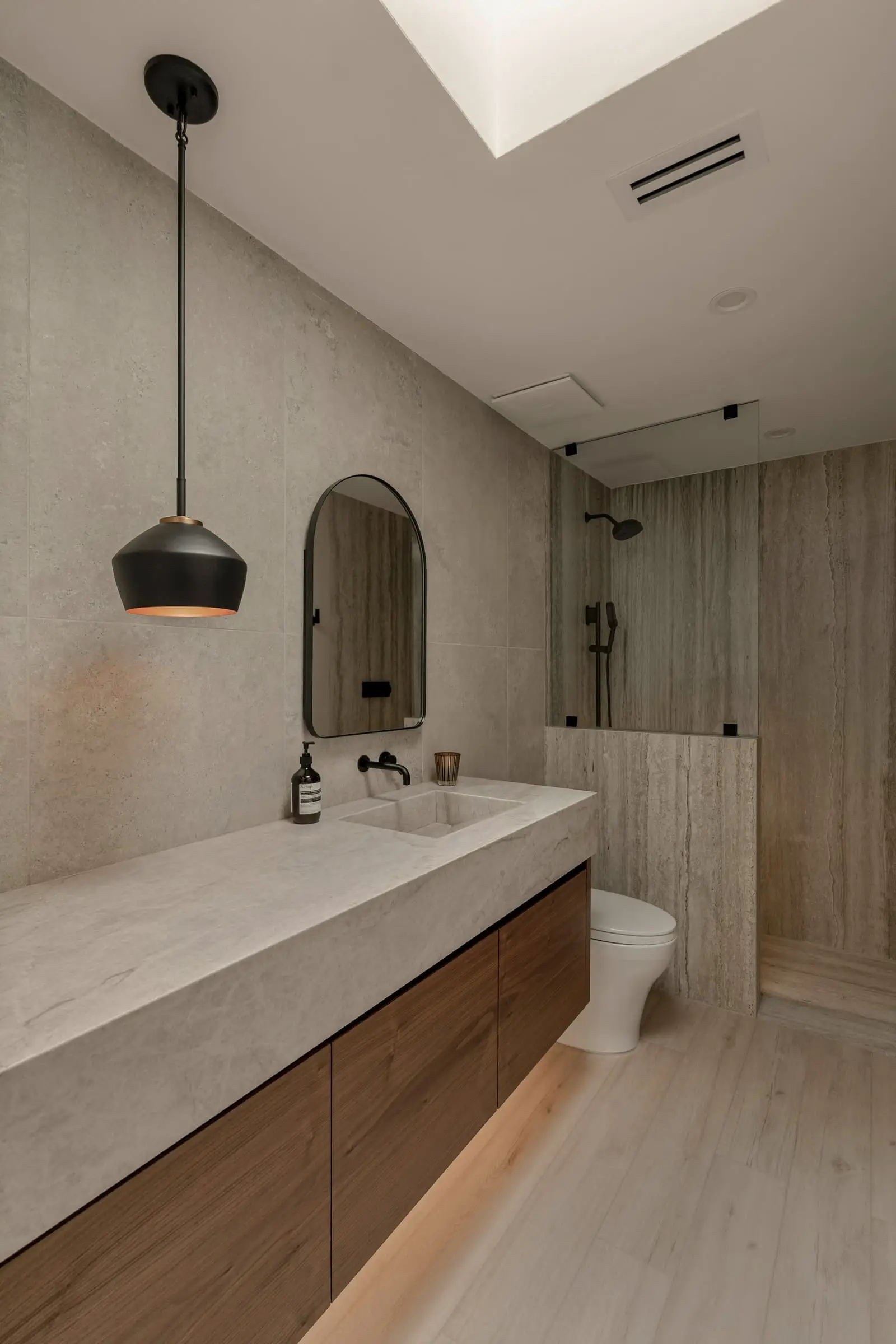
Durability is hospitality’s first aesthetic. It decides what a room will look like in its fourth year, and that is the room most guests will actually stay in.
Design for the housekeeper
A hotel is a workplace. If a bed cannot be made in four minutes, or a surface shows every fingerprint, the room will decline fast, however good it looked when it opened. We spend a day with housekeeping teams whenever a client allows it, and it changes the drawings every time.